SALT
Rolls carry quiet salt
Plain rolls rarely taste salty, yet the NHS lists bread among everyday foods that already contain salt.
See the numbers doodlebuns
WHAT'S IN A BUN
Soft, golden and easy to eat two of. Worth a glance at the label first.
Try the label check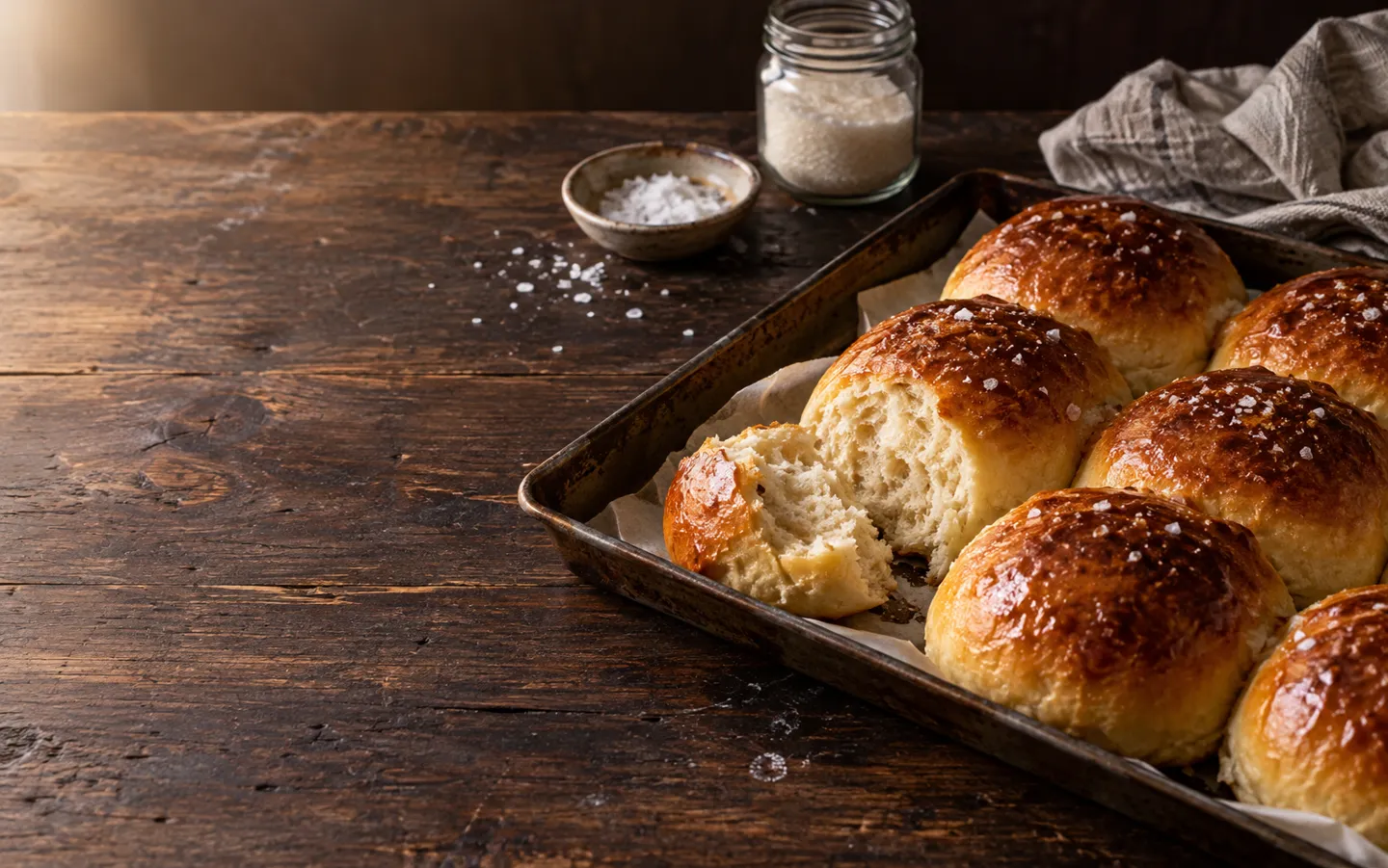
PER 100gcheck it
Buns and rolls are everyday foods, which is exactly why their salt and sugar add up. Here is what the red, amber and green label colours mean, the targets UK bakers work to, and how one bun fits into a day.
Plain English, with the sources linked.
At a glance
0.65g max 0.83g
Salt per 100g, sales-weighted average
Public Health England set this for yeast-raised morning goods: fruited and plain buns, hot cross buns, teacakes, bagels, croissants and brioche. Plain bread and rolls have a higher average target of 0.85g, with a 1.01g maximum.
BUNS AND TEACAKES · 2024 TARGET
6g about 1 tsp
Salt per day, ages 11 and over
That is the most adults should have in a day, across everything they eat. Younger children have lower limits: 5g at 7 to 10, 3g at 4 to 6 and 2g at 1 to 3.
ADULTS · NHS DAILY LIMIT
TWO NUMBERS WORTH KNOWING
Industry works to salt per 100g.
Your limit is salt per day.
The two are different measures. A target per 100g tells you how salty the dough is; the daily limit is about how much of everything you eat, so portion size and how many you have both count.
A QUICK LABEL CHECK
Pick a figure you might see in the per 100g column of a bun or roll label. The colour bands are the ones the NHS explains for UK front-of-pack labels.
Amber is not a warning. Most bread and buns sit in the middle for salt; the colours simply help you compare one product with another.
THE SHORT ANSWER
No single bun breaks the day.
Two or three a day, plus bread, can.
General information only, not medical advice. For advice about your own health, speak to a doctor, pharmacist or other qualified health professional.
SALT
Plain rolls rarely taste salty, yet the NHS lists bread among everyday foods that already contain salt.
See the numbersSUGAR
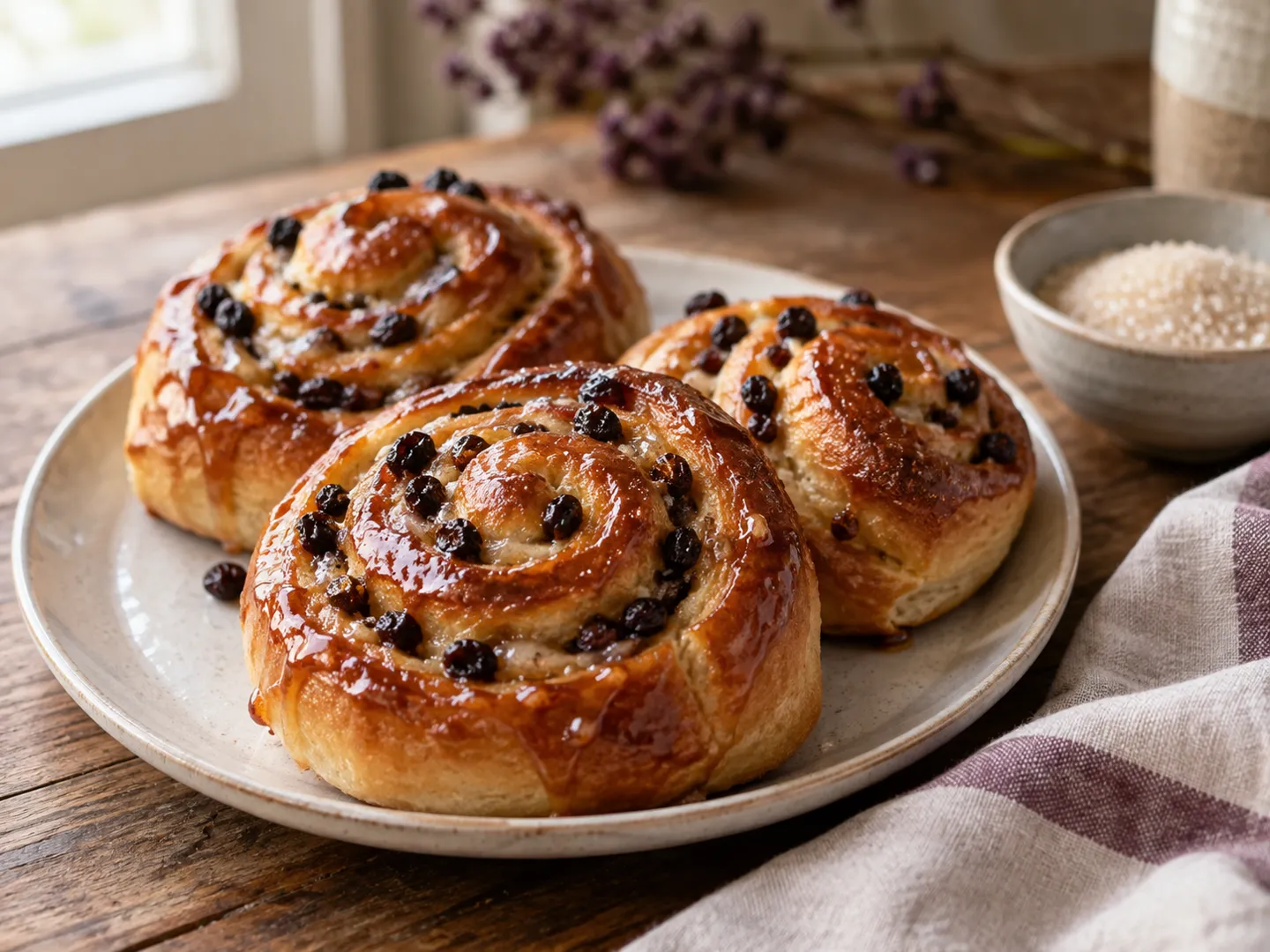
Icing, glaze and syrup are free sugars, the kind UK guidance says to keep under 30g a day.
What counts?LABELS
Red, amber and green on the front of pack are set per 100g, so you can compare buns quickly.
Try the label check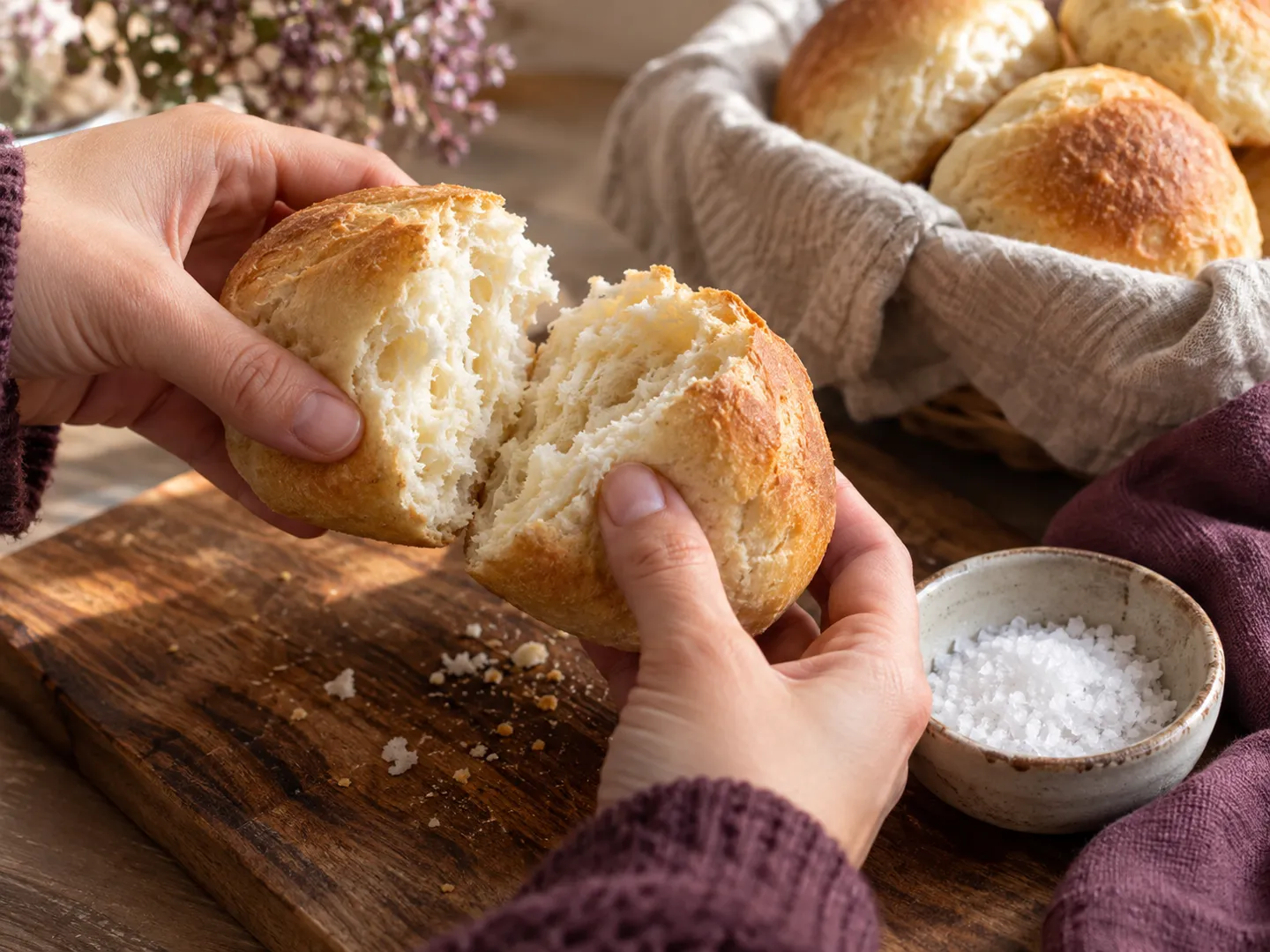
NEXT TIME YOU SHOP
Buns come in different sizes, so the per 100g column is the fair way to compare two packs side by side.
Look at the per-portion figure too. That is the amount you actually eat, and it is what counts towards the day.
Ingredients are listed in order of weight, so sugar or syrup near the top means a sweeter bun.
Cheese, ham, butter and jam all bring their own salt or sugar, so count them as part of the bun.
BUN FACTS
The NHS names bread alongside breakfast cereals, meat products and ready meals as everyday foods that already contain salt before any is added at the table.
Action on Salt checked 242 sliced breads in 2023 and found three in four had as much salt per slice as a packet of ready salted crisps, 0.34g or more.
Public Health England’s 2024 targets put buns and teacakes at an average of 0.65g salt per 100g and plain bread and rolls at 0.85g, aiming to keep reducing salt gradually.
Free sugars are any sugars added to food, plus honey, syrups and juice. Adults should have no more than 30g a day, about seven sugar cubes.
The 30g figure follows a 2015 report by the Scientific Advisory Committee on Nutrition, which advised that free sugars should make up no more than 5% of daily energy.
QUICK QUESTIONS
Short answers to the questions people ask most.
The NHS says adults and children aged 11 and over should have no more than 6g of salt a day, around one teaspoon. The limit is lower for younger children: 5g at 7 to 10, 3g at 4 to 6 and 2g at 1 to 3.
On UK front-of-pack labels, more than 1.5g of salt per 100g is high (red) and 0.3g or less per 100g is low (green). Anything in between is medium (amber).
Yes. Public Health England’s 2024 targets put yeast-raised morning goods, including fruited buns, hot cross buns and teacakes, at a sales-weighted average of 0.65g of salt per 100g, with a maximum of 0.83g.
UK guidance says adults should have no more than 30g of free sugars a day, about seven sugar cubes. Free sugars are sugars added to food plus those in honey, syrups and fruit juice.
Because people eat a lot of it. The NHS lists bread among the everyday foods that already contain salt, and a 2023 survey found three in four sliced breads had as much salt per slice as a packet of ready salted crisps.
Sources
A NAME WORTH A NIBBLE
doodlebuns.com is part of the DoodleSale portfolio. It isn't in an auction right now, but you can ask about leasing it.